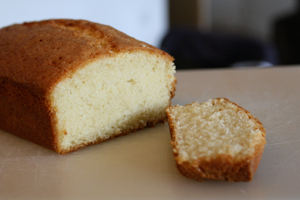
Pound Cake

Whenever strawberries came in season, I used to beg my mom to bake pound cake to go with them. Pound cake is a traditional recipe that consists of 1 pound each of flour, sugar, butter, and eggs. This recipe is a bit different, but it works just as well, and makes a wonderful cake. Serve sliced with some strawberries and whipped cream for a fresh-tasting dessert, or try with some different types of jams as well. The cake’s flavor is versatile and would go well with many seasonal berries and fruits.

Ingredients

  • 1 1/2 cups (345 grams) butter, at room temperature
  • 6 eggs
  • 3 cups flour
  • 2 1/2 cups sugar
  • 3 teaspoons baking powder
  • 1/2 teaspoon salt
  • 1 1/2 teaspoons vanilla extract
  • 3/4 cup milk

Directions

1. Grease two loaf tins and line the bottom and long edges with baking paper and set aside.

2. In a medium bowl, sift together the flour, baking powder, and salt; then set aside.

3. In a large bowl, cream the butter and sugar until light and fluffy. Add each of the eggs one at a time, mixing in between each addition. Once everything is combined, add in the vanilla extract.

4. Add in the flour mixture, alternating with the milk, until everything is thoroughly mixed.

5. Divide the batter evenly into the two loaf pans and place them into a cold oven. Set the oven to 350°F (175°C) and bake for about 1 hour or until the top is golden brown and a cake tester inserted into the top comes out clean.

6. Immediately after removing from the oven, use a knife to loosen the cake from the edge of the pan (the short edges won’t have the baking paper on them). Then allow them to cool in the pan for about 10 minutes before removing to a wire rack to cool completely.

7. Once cool, use a serrated knife to slice and serve. Top with whatever you would like. I like to use strawberries in their own syrup. To make these, slice a bunch of strawberries and place in a storage container before making your cakes. Add a couple teaspoons of sugar and shake gently to coat. Place them in the fridge to soak until your cake in finished. Once the cakes are ready, the berries should have a nice juice to go with them and they’ll be really sweet.

8. Store these cakes by wrapping tightly with plastic wrap, and place in the freezer if keeping for more than a day or two.
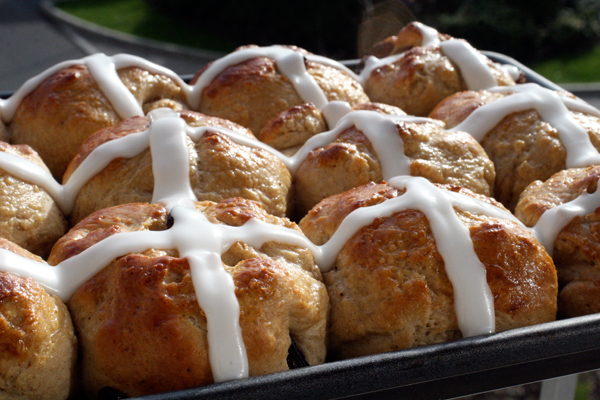
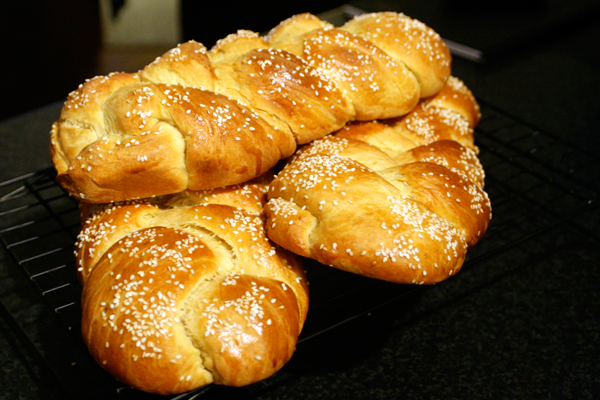
Hot Cross Buns

As it comes up to Easter, all of the grocery stores around the UK start selling hot cross buns. So I figured I’d give them a go, having never had one in my life. They turned out alright, except that I’m pretty sure I overworked the dough a bit, so be sure to avoid that!

Ingredients

  • 3/4 cup milk
  • 1 envelope active dry yeast
  • 1/2 teaspoon sugar
  • 3 3/4 cups flour
  • 1/4 cup light brown sugar
  • 1 teaspoon cinnamon
  • 1/4 teaspoon ground cloves
  • 1/4 teaspoon ground allspice
  • 1/4 teaspoon ground nutmeg
  • 1/2 teaspoon salt
  • 1 1/2 teaspoon freshly grated orange zest
  • 2 eggs
  • 1/4 cup unsalted butter, at room temperature
  • 1/2 cup raisins
  • 1 tablespoon milk
  • 1 egg
  • 1 tablespoon milk
  • 1/2 cup icing sugar, sifted

Directions

1. Heat the 3/4 cup milk until lukewarm, then gently stir in the yeast and 1/2 teaspoon of sugar. Allow to sit for 10 minutes until it gets foamy. If the yeast does not foam, it is either too old or the milk was too warm, so dump the mixture and start again.

2. In a large bowl, combine the flour, brown sugar, cinnamon, cloves, allspice, nutmeg, salt and orange zest.

3. Create a well in the middle of the flour mixture and pour in the milk and yeast mixture. Mix until combined, then add 2 eggs and mix until the yolk disappear. Add the butter and raisins then mix for about four minutes, until the dough is smooth and elastic.

4. Place the dough into a large bowl coated with oil, cover with a clean towel, and place in a warm place to rise for about 1 1/2 hours or until doubled in size. (If your house is chilly, like mine, I suggest putting the bowl into a cool oven and placing a dish full of hot water below it. If it’s a sunny day though, a warm window sill works well!) 

5. Once the dough has risen, punch it down once, and turn it out onto a lightly floured work surface.

6. Divide the dough into 12 equal pieces and form each piece into a round ball. (I used a scale to make sure everything was even.) Place each ball onto a baking sheet lined with baking parchment, making sure they are evenly spaced.

7. In a small bowl, whisk together 1 egg and 1 tablespoon of milk. Brush the tops of each dough ball with the mixture, and save the remaining egg wash. Place a clean towel over the tops of the rolls and set in a warm place to rise for 30 minutes.

8. Preheat the oven to 400°F (200°C). Then brush the tops of the rolls again with the egg wash before placing in the oven to bake for 10 to 15 minutes, or until golden brown.

9. Allow the rolls to cool completely on the baking sheet, then combine the icing sugar and 1 tablespoon of milk. Place the mixture into a pastry bag (or a Ziploc bag with the corner snipped off), and pipe a cross over the top of each cool bun.

Braided Easter Bread

For some reason this weekend, I just had a desire to make bread. But not just plain bread. I wanted something a bit more fun and interesting. That’s when I came across this recipe for Easter bread from Jo Cooks. This recipe is super easy, super buttery, super delicious, and it looks really pretty if you’re having an Easter morning brunch. I was able to make four decent-sized loaves as well, so I had plenty to share. If you’re feeling extra indulgent, I recommend having a chunk of this stuff while it’s still warm with a nice helping of butter.

Ingredients

  • 1 cup milk
  • 1 cup (230 grams) unsalted butter
  • 1 cup margarine
  • 1 cup sugar
  • 1/2 cup warm water
  • 2 tsp sugar
  • 2 envelopes active dry yeast
  • 5 eggs
  • 6 cups flour, plus some extra as needed
  • 1 1/2 teaspoons baking powder
  • 1 1/2 teaspoons salt
  • 1 egg, beaten
  • 2 tablespoons sesame or poppy seeds

Directions

1. Stir the milk, butter, and margarine in a medium saucepan over medium heat until the butter and margarine melts, making sure that the mixture does not start to boil. Add the 1 cup of sugar and whisk until it dissolves, then remove from the heat and set aside to cool.

2. In a small bowl, dissolve the 2 teaspoons of sugar in the water, add the yeast, and gently stir. Let this mixture stand for about 10 minutes until it gets frothy. If it does not, your yeast may be too old or the water may be too hot, so dump the mixture and start again if necessary – because the yeast is key!

3. In a medium bowl, beat the eggs then slowly add the cooled milk and butter mixture. Be sure to stir constantly to avoid scrambling the eggs! Once combined, add the yeast mixture.

4. In a large bowl, sift together the flour, salt, and baking powder. Create a ‘well’ in the center and pour in the mixed wet ingredients. Stir or work with your hands until you get a sticky dough.

5. Cover a work surface generously with flour, then turn out the sticky dough onto the surface. Gently knead the dough for about 10 minutes and add more flour as needed until you get a nice, less-sticky dough. Coat a clean large bowl with oil and place the kneaded dough into it. Cover with a clean towel and set in a warm place to rise for about two hours, or until doubled in size. (If your house is chilly, like mine, I suggest putting the bowl into a cool oven and placing a dish full of hot water below it. If it’s a sunny day though, a warm window sill works well!) 

6. After the dough has doubled in size, punch it down and let it rise again until doubled, which is about another hour.

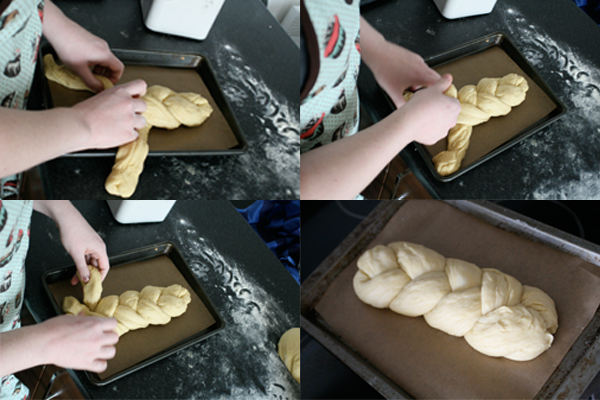
7. Divide the dough into four pieces, then cut each of these pieces into thirds. (I find it’s easiest to use a pizza cutter for this, as it slices through much more easily than a knife. I also weighed the dough to be sure that everything was even.) Roll each of the pieces into a 12-inch rope and braid three pieces of rope together, pinching the ends together and tucking underneath the loaf to seal it up. (See the photos above.) Place each of the braided loaves onto a baking sheet lined with baking parchment.

8. Set the braided loaves in a warm place to rise, until they double in size again. Then brush the loaves with the beaten egg and sprinkle with the sesame or poppy seeds.

9. Bake the loaves at 350°F (approx 175°C) for about 30 minutes, or until golden brown.

Guinness and Baileys Cake Truffles

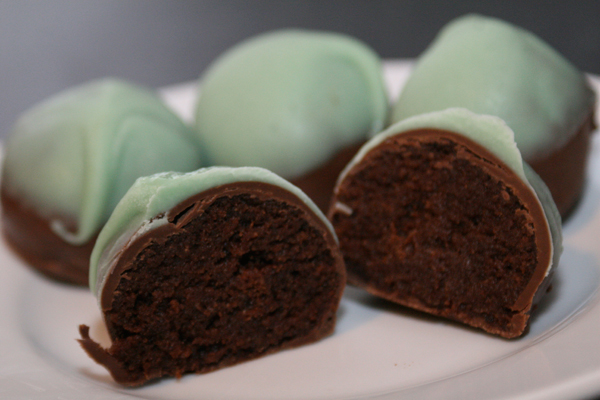
So to make my Guinness and Bailey’s cupcakes, I had to buy a 6-pack of Guinness and a decent sized bottle of Bailey’s. I couldn’t bear to let the rest of them just sit there, so I searched the interwebs for another Irish-themed treat I could make. I came across this recipe by See Brooke Cook and gave it a go. Just a word of warning though: this recipe made A TON of truffles. I used a cookie dough baller to make sure they were all evenly sized and I wound up with about 75 truffles. So I’d recommend using half of the recipe!

Ingredients

For the cake:

  • 1 1/2 cups Guinness
  • 1 1/2 cups (345 grams) butter
  • 1 cup unsweetened cocoa powder
  • 3 cups flour
  • 3 cups sugar
  • 2 1/4 teaspoons baking powder
  • 1 teaspoon salt
  • 3 eggs
  • 2/3 cup sour cream

For the frosting:

  • 8 ounces (227 grams) cream cheese, at room temperature
  • 1/4 cup (57 grams) butter, at room temperature
  • 4 tablespoons Bailey’s Irish Cream
  • 3 cups icing sugar (sifted)

Extra stuff:

  • 3 cups dark chocolate chips

Directions

1. Preheat the oven to 350°F (approx 175°C). Grease two round cake tins and line the bottom with baking paper and set aside.

2. Stir the butter and Guinness in a small saucepan over medium heat until the butter melts, then whisk in the cocoa powder until smooth. For an extra kick, you can add 1/2 tablespoon of espresso powder as well. Remove the mixture from the heat and set aside to cool.

3. In a medium bowl, sift together the flour, sugar, baking soda, and salt. In a separate large bowl, mix together the eggs and sour cream. Once combined, add the cooled beer mixture into the egg mixture, stirring constantly so as to avoid scrambling the eggs. Gradually add in the dry ingredients until just combined. The batter should be a fairly runny consistency.

4. Divide the batter evenly between the two prepped cake tins and bake for 35 minutes, or until a cake tester inserted into the center comes out clean. Allow the cakes to cool in the tin for 10 minutes before moving to a wire rack to cool completely.

5. While the cakes are cooling, prepare the frosting. Start by creaming the cream cheese and butter in a mixing bowl, add in the Bailey’s Irish Cream until smooth. Then gradually add in the icing sugar, and mix until everything is combined.

6. Once the cakes are cooled, crumble it into a large mixing bowl. You can do this by hand using a pair of forks. Line a few cookie sheets with wax paper or baking parchment and set aside. Add the frosting to the crumbled cake and mix together (the easiest way to do this is with your hands) until it reaches a thick dough-like consistency.

7. Using your hands, or a cookie dough baller, roll the dough into small balls and place on the lined cookie sheets. Place them in the freezer for about 15 minutes to set up, but don’t freeze! You can also place the dough balls in the fridge for a few hours instead.

8. Temper your chocolate by melting half of the chocolate chips over a double boiler (I use a glass bowl over a pan of simmering water) – be sure not to let the water boil, or the steam may drip into your chocolate and make it seize and it will be ruined! Once melted, add in the remaining chocolate chips and stir until smooth.

9. Using a fork, dip each of the chilled dough balls into the chocolate and coat completely. Lift them from the chocolate and allow the excess to drip off before replacing onto the cookie sheet.  Repeat until each of the cake truffles have been coated. Place the cookie sheets back into the fridge to allow the chocolate to set before serving.

When storing these truffles, I found it worked best to keep them in an airtight container in the fridge, otherwise if the room got too warm, they had a slight tendency to melt a bit and go soft. These are realllllyyyyy rich, so one or two makes a perfect treat!

Guinness and Baileys Cupcakes

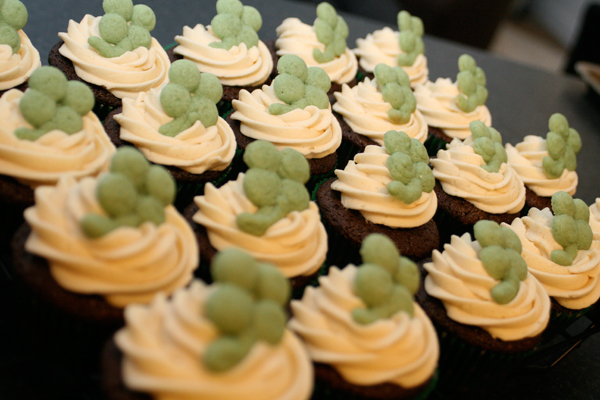
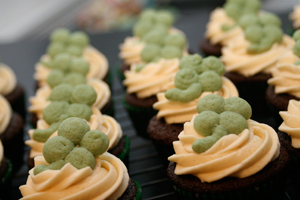
I’ve had this cupcake recipe for a few years now and it has been a huge hit with everyone that’s ever tasted them. Using a great combination of two quintessentially Irish ingredients they make for a fun St. Patrick’s Day treat. For those that don’t like Guinness, don’t worry! The stout helps make for a super moist and chocolatey cupcake, so the taste of the beer isn’t too strong. The Bailey’s frosting doesn’t cook out the alcohol, so if you’re making for kids, you may want to substitute with a basic cream cheese frosting – they’re just as good!  The toppers on these cupcakes are hand-piped shamrocks, using a spritz cookie dough.

Ingredients

For the cupcakes:

  • 1 cup Guinness beer
  • 1 cup (230 grams) unsalted butter, room temperature
  • 3/4 cup unsweetened cocoa powder
  • 2 cups flour
  • 2 cups sugar
  • 1 1/2 teaspoons baking soda
  • 3/4 teaspoon salt
  • 2 eggs
  • 1/2 cup sour cream
For the frosting:
  • 1/2 cup (115 grams) unsalted butter, softened (you want it just a tiny bit firm still so that the icing will be stiffer for piping)
  • 4 cups icing sugar (sifted)
  • 5 tablespoons Bailey’s Irish Cream

Directions

1. Preheat oven to 350° F (approx 175°C). Place cupcake liners into the pan.

2. Stir the butter and Guinness in a small saucepan over medium heat until the butter melts, then whisk in the cocoa powder until smooth. Remove the mixture from the heat and set aside to cool.

3. In a medium bowl, sift together the flour, sugar, baking soda, and salt. In a separate large bowl, mix together the eggs and sour cream. Once combined, add the cooled beer mixture into the egg mixture, stirring constantly so as to avoid scrambling the eggs. Gradually add in the dry ingredients until just combined. The batter should be a fairly runny consistency.

4. Fill each of the cupcake liners with about 1/3 cup of the batter (so they’re about 2/3 full). Bake for 15-20 mins, or until a cake tester comes out clean when pushed through the center. Let rest in the pan for about 5 minutes, then transfer to a wire rack to cool completely.

5. To make the frosting, cream the butter in a large bowl using an electric mixer. Gradually sift in the icing sugar, scraping the bowl with a spatula in between each addition. Add in the Bailey’s Irish Cream, then continue to mix on the high setting until the frosting becomes light and airy.

6. Fill a piping bag with the buttercream and pipe onto the top of the cupcakes.